Pech Merle cave & Prehistory Museum in Cabrerets
Pech Merle cave in photos
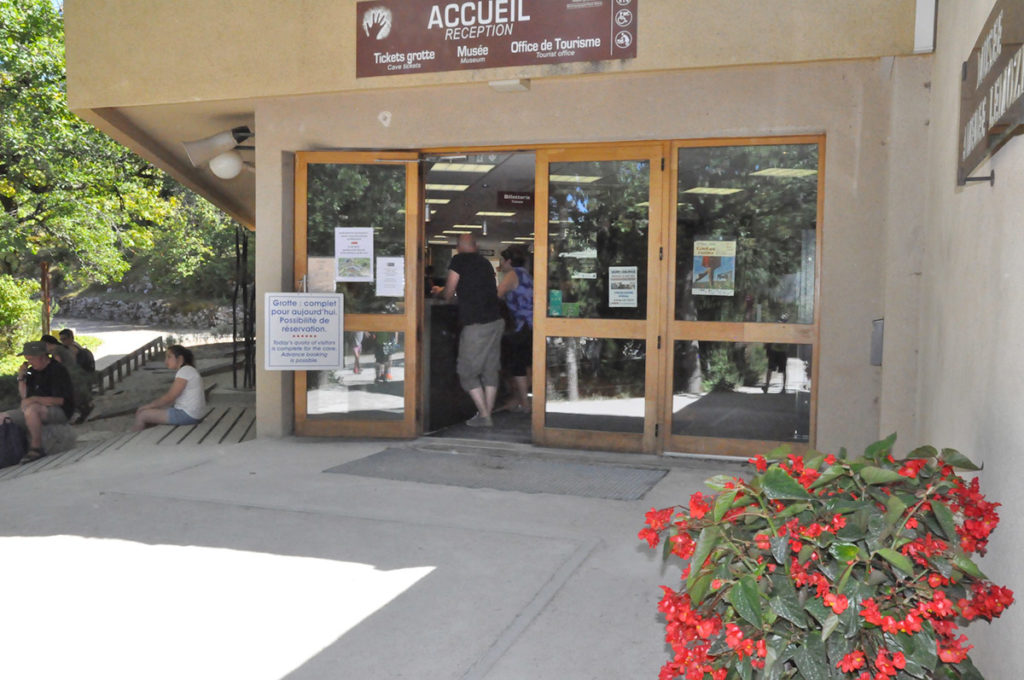
Please note: you are strongly advised to plan your online booking on the Pech Merle cave website.
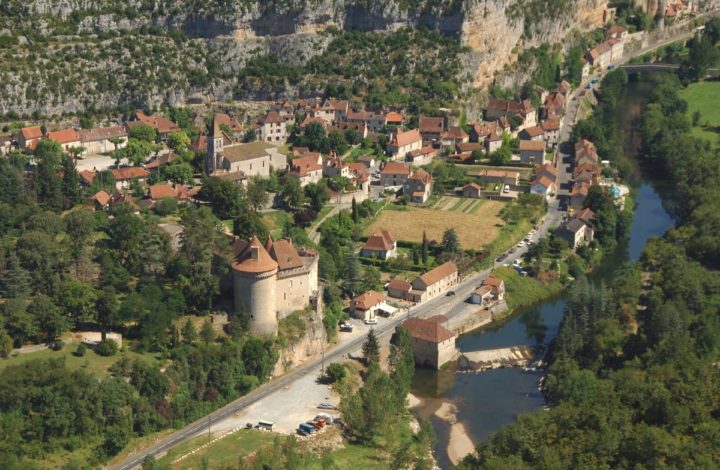
The Grotte de Pech Merle is located in the same village as our gîtes in Cabrerets ! You can get there on foot in 30 minutes (1.8 km, but beware of the steep climb) or by car in 5 minutes.
The Pech Merle cave and its intact prehistoric treasure trove
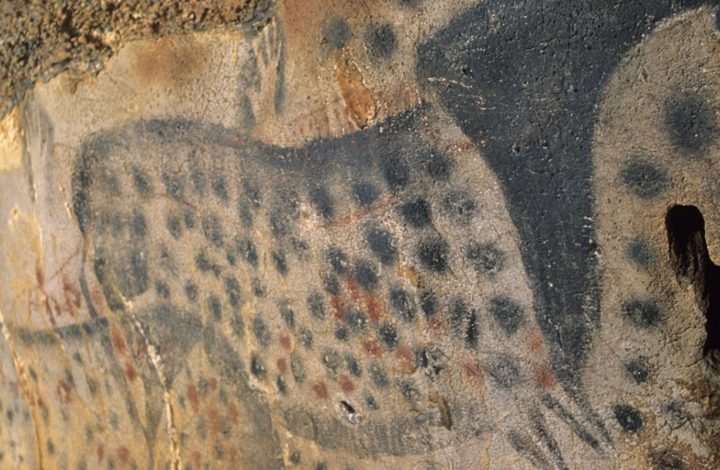
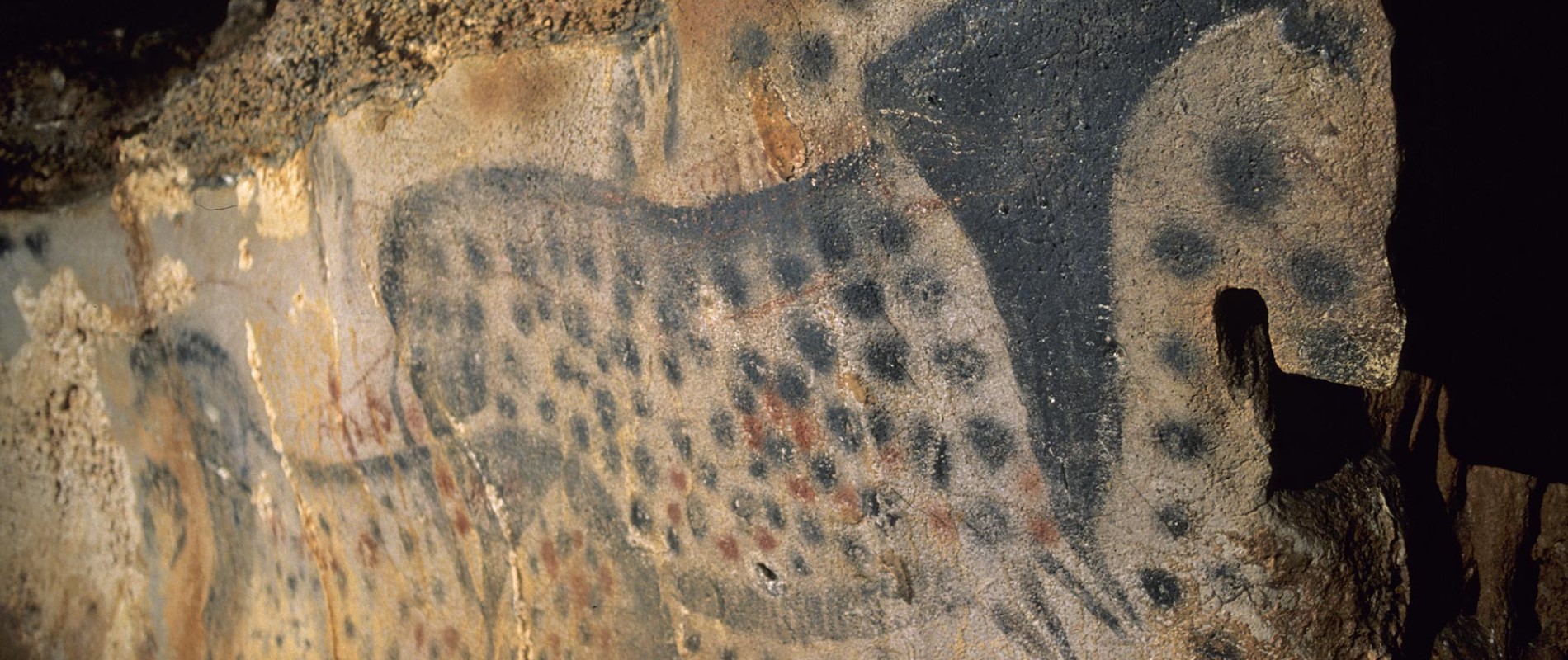
There are many prehistoric cave paintings around the world, but what makes the Pech Merle cave so special is that some of its paintings have remained intact for over 20,000 years.
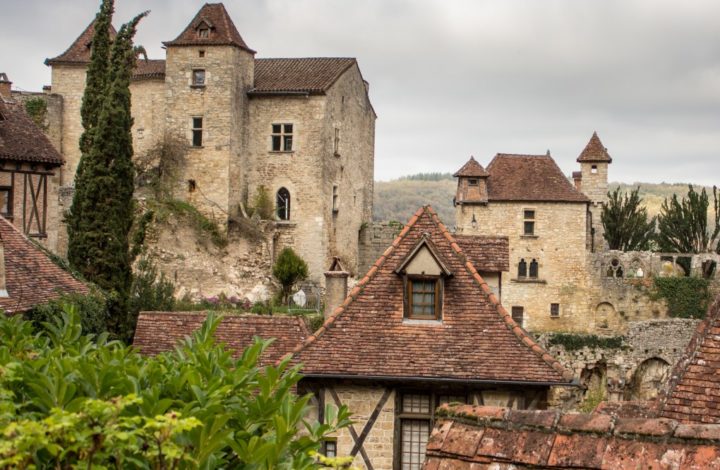
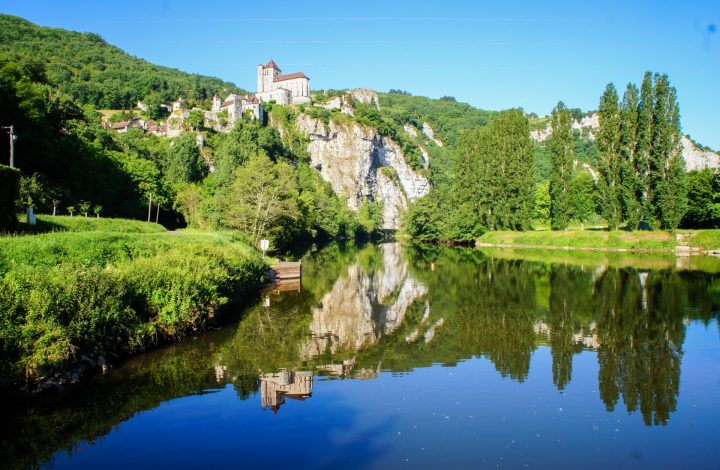
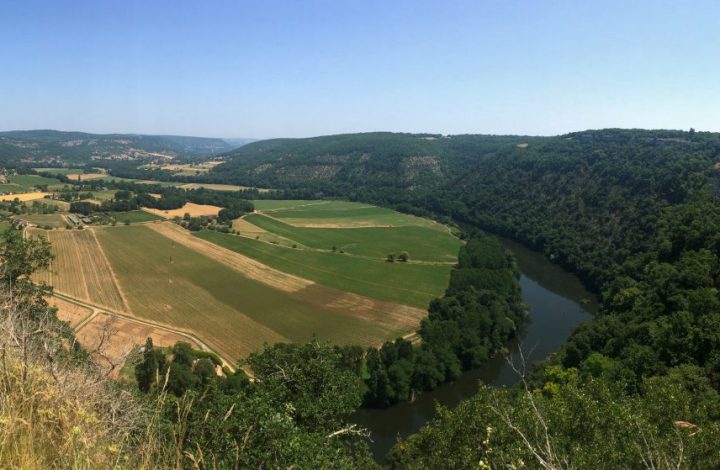
The Pech Merle cave overlooks the Sagne and Célé valleys above Cabrerets. It was first discovered by a group of four children in 1922. They stumbled upon an opening in the hill (known as a «Pech» in Occitan).
The cave is thought to have remained unknown to everyone for more than 10,000 years, before being discovered only about a hundred years ago. This late discovery may well have led to the unprecedented conservation of its impressive rock paintings.
It is said, however, that a priest who had refused to swear allegiance was hiding at Pech Merle or Igue David (named after the landowners) during the French Revolution, and that he was supplied with provisions by the parishioners of Cabrerets.
An impressive list of cave paintings
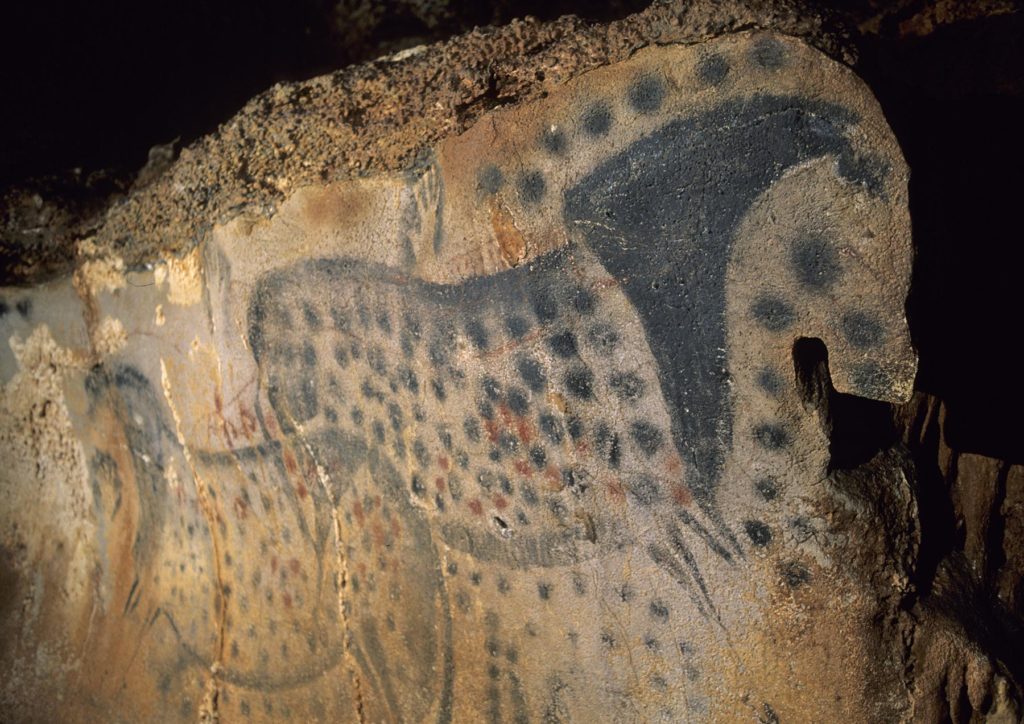
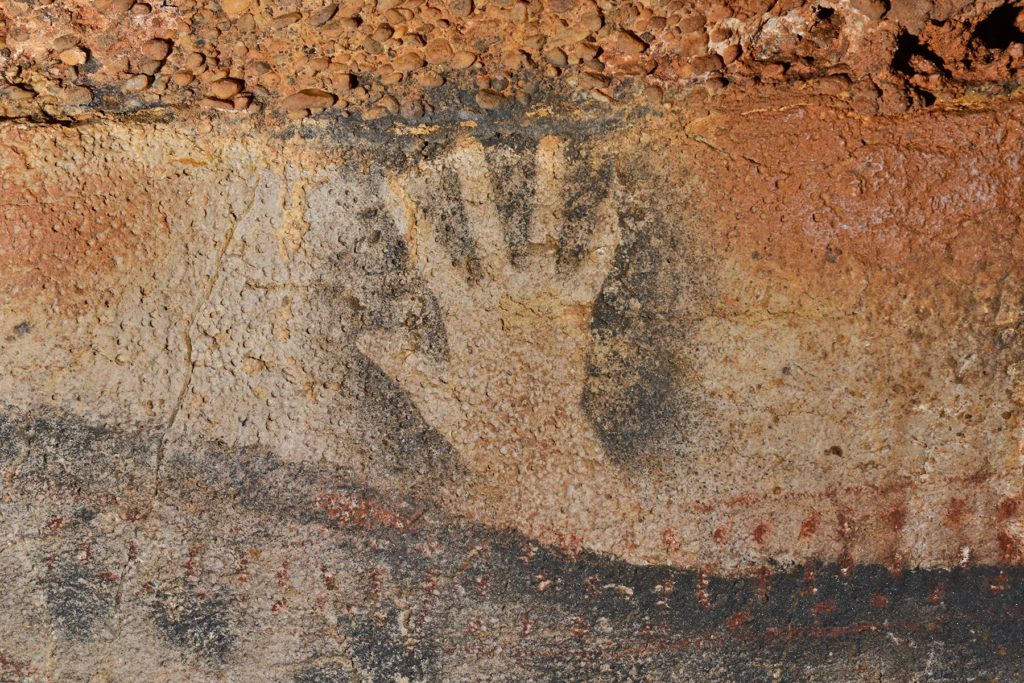
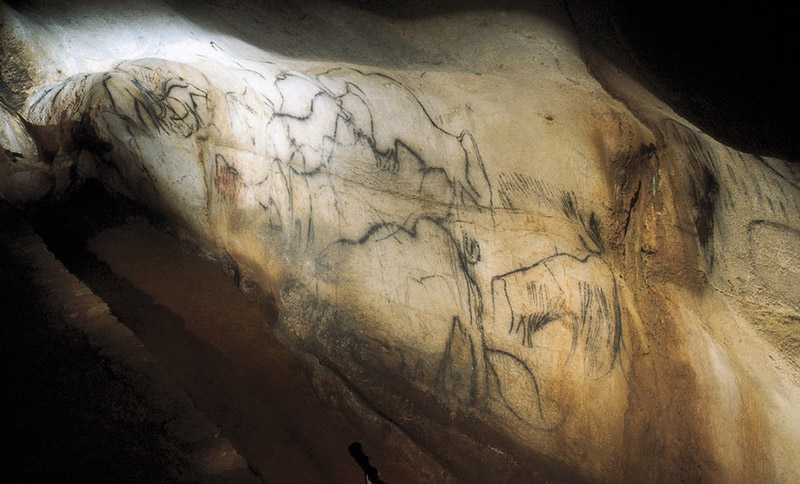
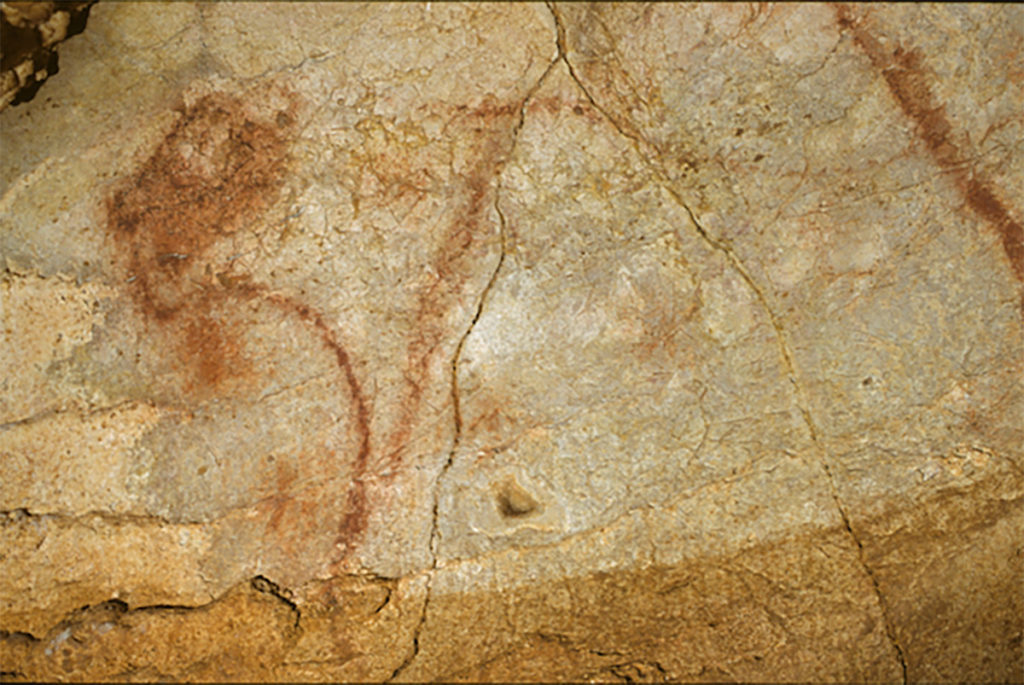
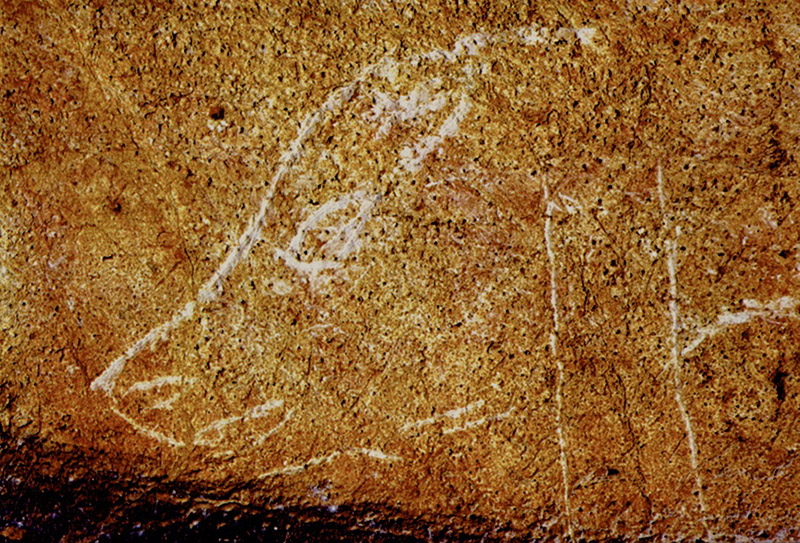
The Pech Merle Cave is exceptionally rich in cave art, with a total of more than 700 painted or engraved representations. The vast majority of signsThey also include animal figures, human or para-human, and so-called negative hands (the colour was blown out using the hand as a stencil).
And so the hand has remained a symbol that you’ll find on wooden signs dotted around the village, which will tell you the story of Cabrerets.
Cave art that has evolved over thousands of years
A documentary film is shown before visitors even descend into the Pech Merle cave. It traces the scientific study of the cave paintings found at Pech Merle, their main characteristics and the various techniques employed.
Michel Lorblanchet, a leading prehistorian from the Lot region, world-renowned for his research into cave paintings, has studied the Pech Merle cave, and concluded that she had crossed three major artistic phases :
- the archaic phase, which can be found in the «Combel» layer, featuring dotted horse figures and hand-drawn lines, dates back to around 25,000 years before the Common Era.
- the middle phaseIt is present in black friezes and other digital tracings, the dating of which remains undetermined;
- the recent phasewith engravings attributed to the Magdalenian period around 14,000 BC.
Evidence has indeed been found of three periods of human occupation at the Pech Merle cave by analysing the pollens found in the silt in the cave. However, these three phases were separated by long periods of neglect.
The secrets revealed by the floor of the Pech Merle cave
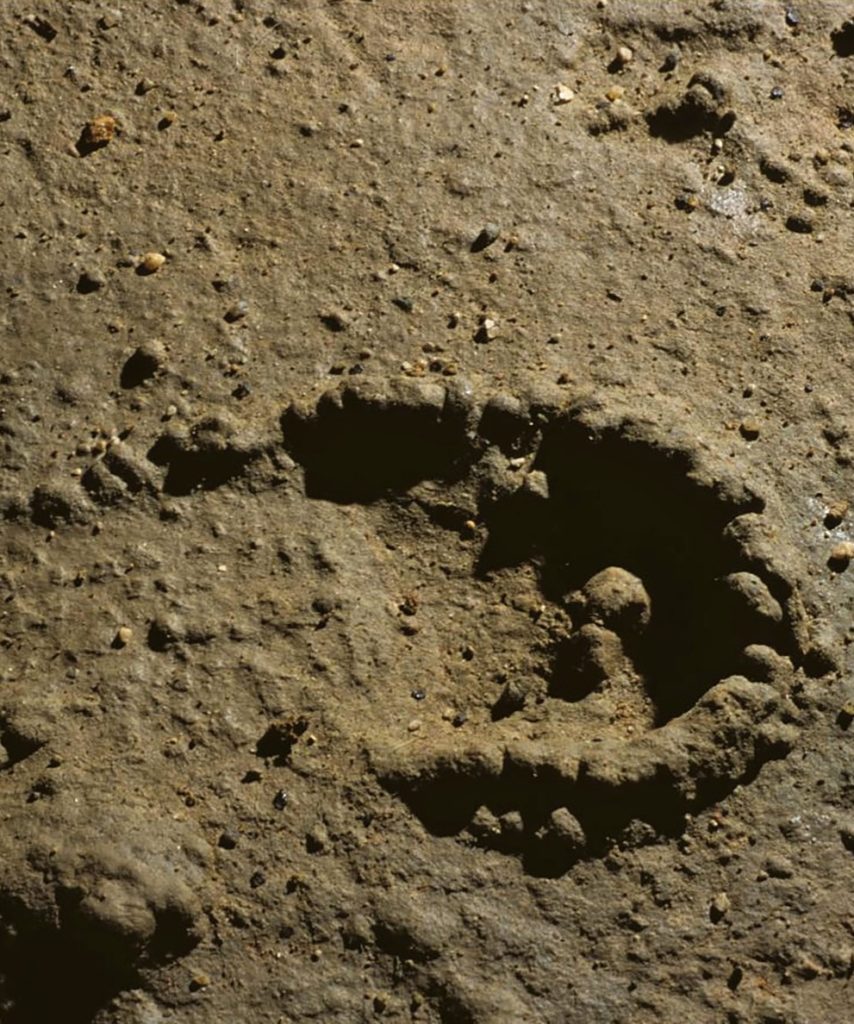
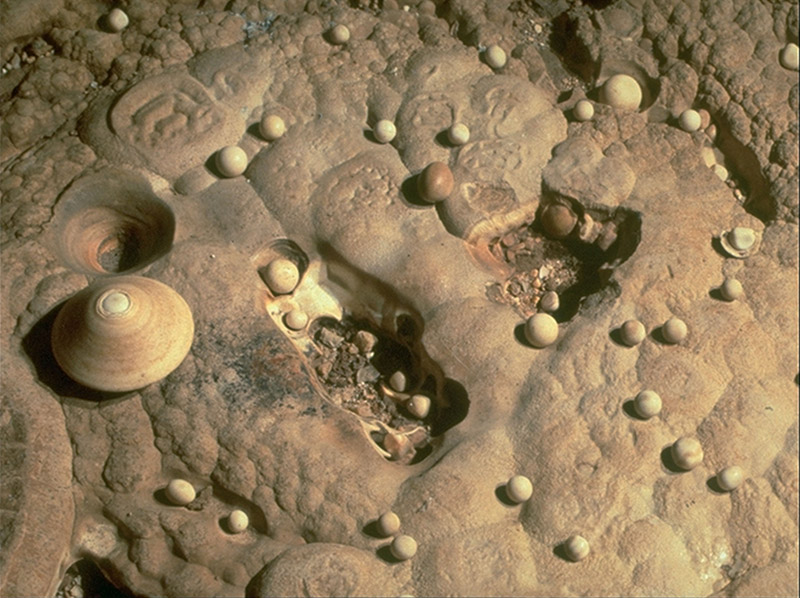
The floor of the cave is, in fact, a valuable record of the area’s history. Indeed, the following have been found there 12 fossilised footprints which has been attributed to a teenager. Among the valuable finds, we can also mention tools with flintthe charcoal and reindeer bones.
However, Michel Lorblanchet has established that the cave was not used as a permanent dwelling, and that’it was only visited from time to time.
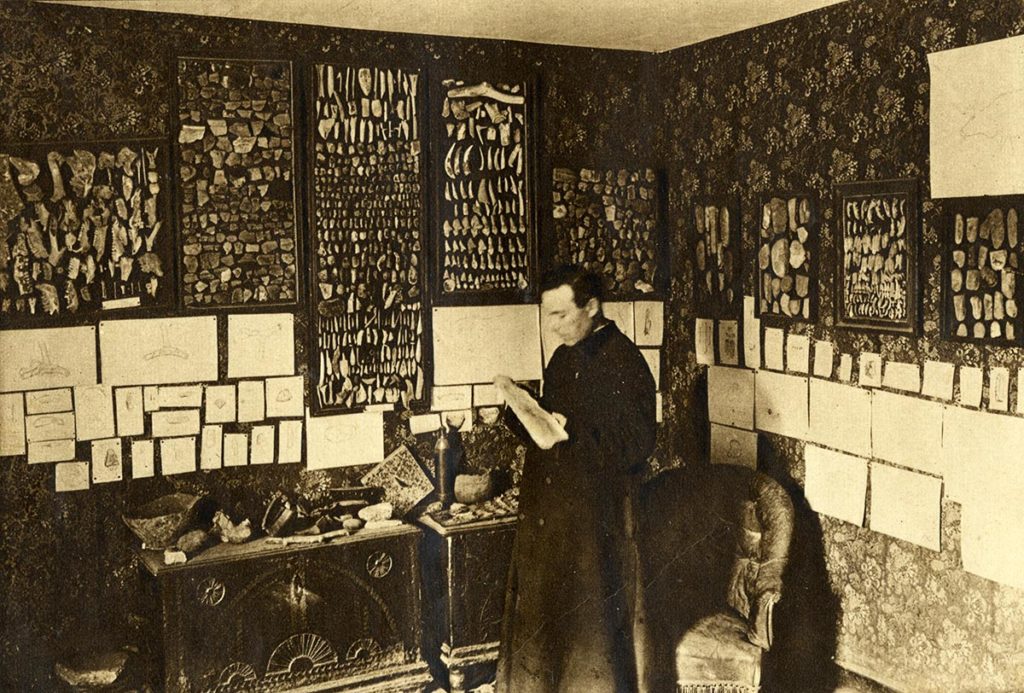
The prehistory centre: Amédée Lemozi Museum
Located right next to the Pech Merle cave, the regional museum Prehistory expert Amédée Lemozi invites you on a fantastic journey into the heart of humanity’s ancient history.
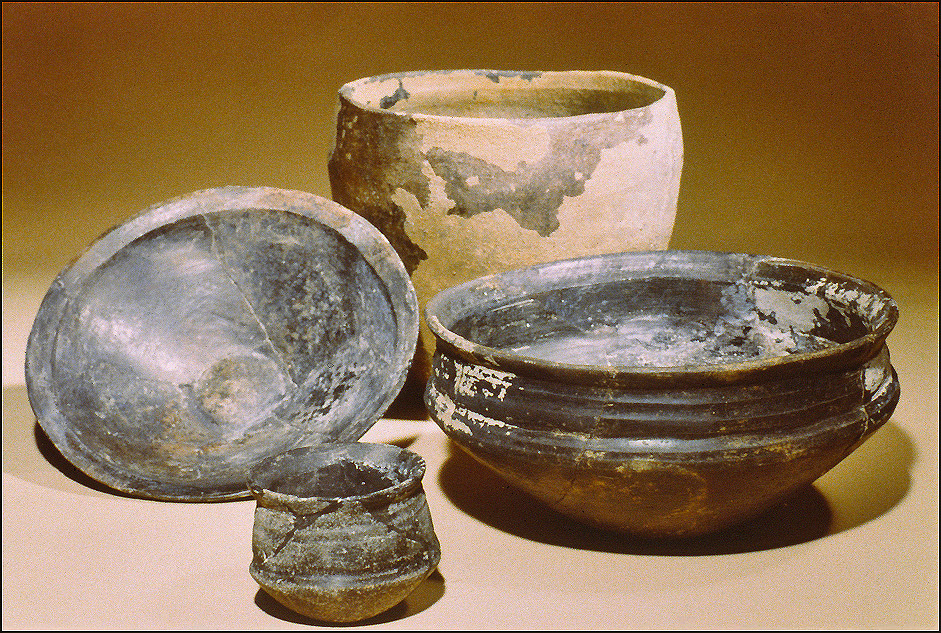
Discover some 350,000 years of human settlement in Quercy through all manner of magnificent artefacts, such as Neolithic or Bronze Age potteryor that Paleolithic and Neolithic hunting tools and weapons.
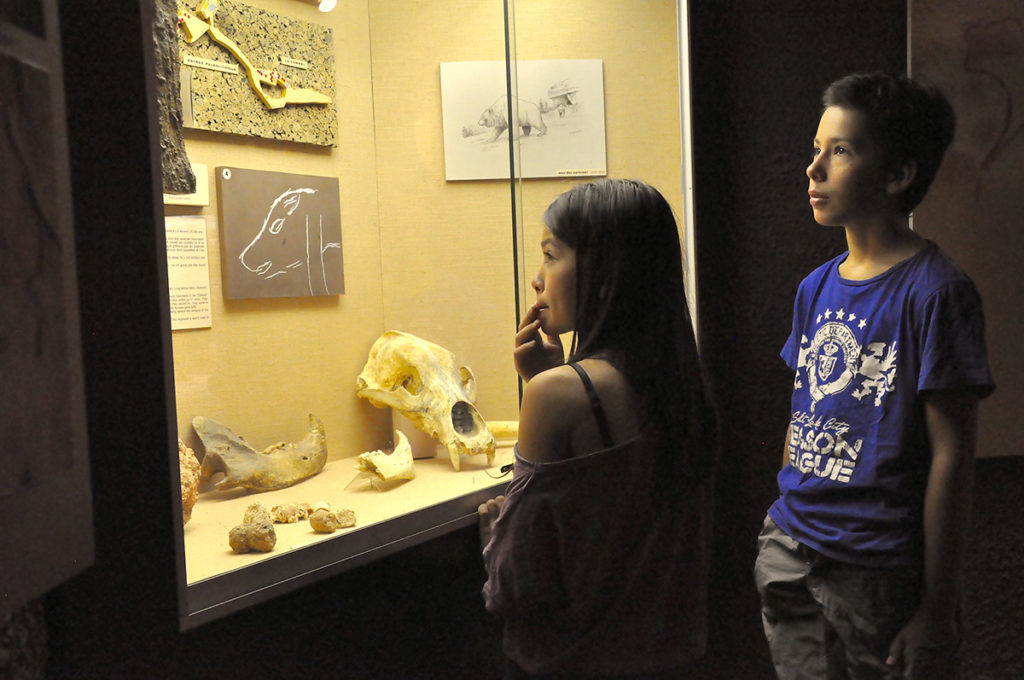
An exhibition also presents reproduction of cave paintings present in the Pech Merle cave, as well as in the dozen or so surrounding caves that are closed to the public.